
1. Jelly sweets are banned in the EU:
Jelly sweets, the gooey, sticky sugary candies, are banned in UK and the rest of the EU. There are, however, exceptions. The companies that do not add a thickening agent called konjac to their jelly sweets, can legally sell and trade in these countries. These candies are also a threat as they can be a choking hazard for young kids.
2. Artificially
colored food made
with dyes derived from petroleum and coal tar. Yellow 5, Red 40 and six others
dyes – used to enhance products from Froot Loops to Nutri-Grain cereal bars
– are called the “rainbow of risk” by the Center for
Science in the Public Interest. They are banned in Norway, Finland, France,
Austria and the U.K.
3. Chicken with arsenic. Arsenic in chicken feed cuts
down on parasites, makes chickens grow faster and gives their meat more color.
It also gives the chicken we eat higher levels of arsenic, known to cause lung,
bladder and skin cancers, a study
last month by the
Johns Hopkins Bloomberg School of Public Health in Baltimore found.
Arsenic-laced feed is banned in the European Union.
4. Drinks with brominated vegetable
oil (BVO). Bromine
is a chemical used to keep carpets from catching fire, among other things, so
why is it in our food? PepsiCo is removing it from Gatorade but keeping it in
Mountain Dew. BVO is banned in more than 100 countries.
5. Breads with potassium bromate,
used in bromated flour to
make bread products rise higher and faster. Found in rolls, bagel chips, bread
crumbs and flatbreads, potassium bromate has been linked to thyroid and
kidney cancers in lab animals. It has been banned in Europe, Canada and China. California declared it a
carcinogen in
1991.
6. Frozen
dinners with azodicarbonamide. This is used to bleach and stabilize
flour and also to make foamed plastic products like yoga mats and sneakers.
Found in frozen TV dinners, packaged baked goods and some breads, it has been
associated with inducing asthma. It is banned in Australia, the U.K. and most
European countries.
7. Food preserved with BHA and BHT. These preservatives are added to
cereal, nut mixes, gum, butter, meat and dehydrated potatoes to keep them from
turning rancid. The debate over their safety has been going on in the U.S. for
years. Meanwhile, they’re banned in the U.K., Japan and many European
countries.
8. Milk with rBGH and rBST, also
known as bovine growth hormones. Synthetic hormones, these
are given to cows and therefore found in milk and other dairy products (unless the
label specifically says otherwise). They have been linked to cancer and
infertility and are banned in Australia, New Zealand, Canada, Japan and the
European Union.
9. Chips with Olestra or Olean,
a fat substitute used in fat-free chips, like Ruffles Wow. Olestra and Olean
can produce cramps and leaky bowels and are banned in the U.K. and Canada.
10. Kinder
Surprise, not Kinder Joy
Kinder Joy is not banned in India or abroad but a bigger variant
of the tasty treat with a toy is banned in USA. If you are in possession of the
toy and treat even in a sealed pack, you are liable for a hefty fine. The toy
is a choking hazard according to the USA authorities but Indian authorities
don’t mind it.
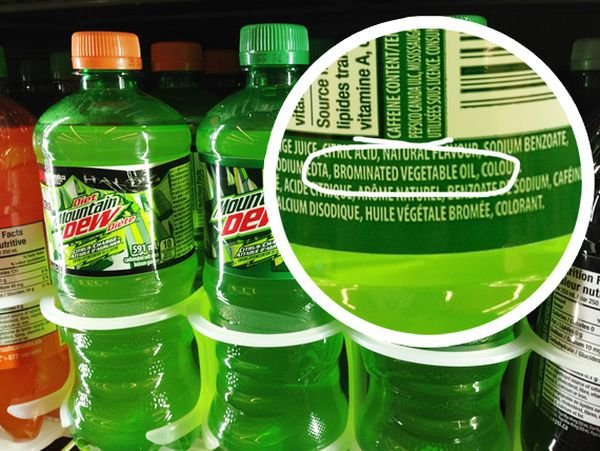
11. BVO, an active ingredient in Mountain Dew, is banned in the EU.
Most aerated citrus flavoured drinks like Mountain Dew, are banned in over 100 countries including the EU. Consumption in high amounts can lead to memory loss, fatigue, loss of coordination, tremors and many more side effects.
12. Red Bull
Red Bull was banned in France and Denmark, and remains banned in Lithuania for people under 18 years of age. The energy drink can lead to heart problems, depression, hypertension and convulsions, though I personally don't mind one every now and then.

No comments:
Post a Comment